
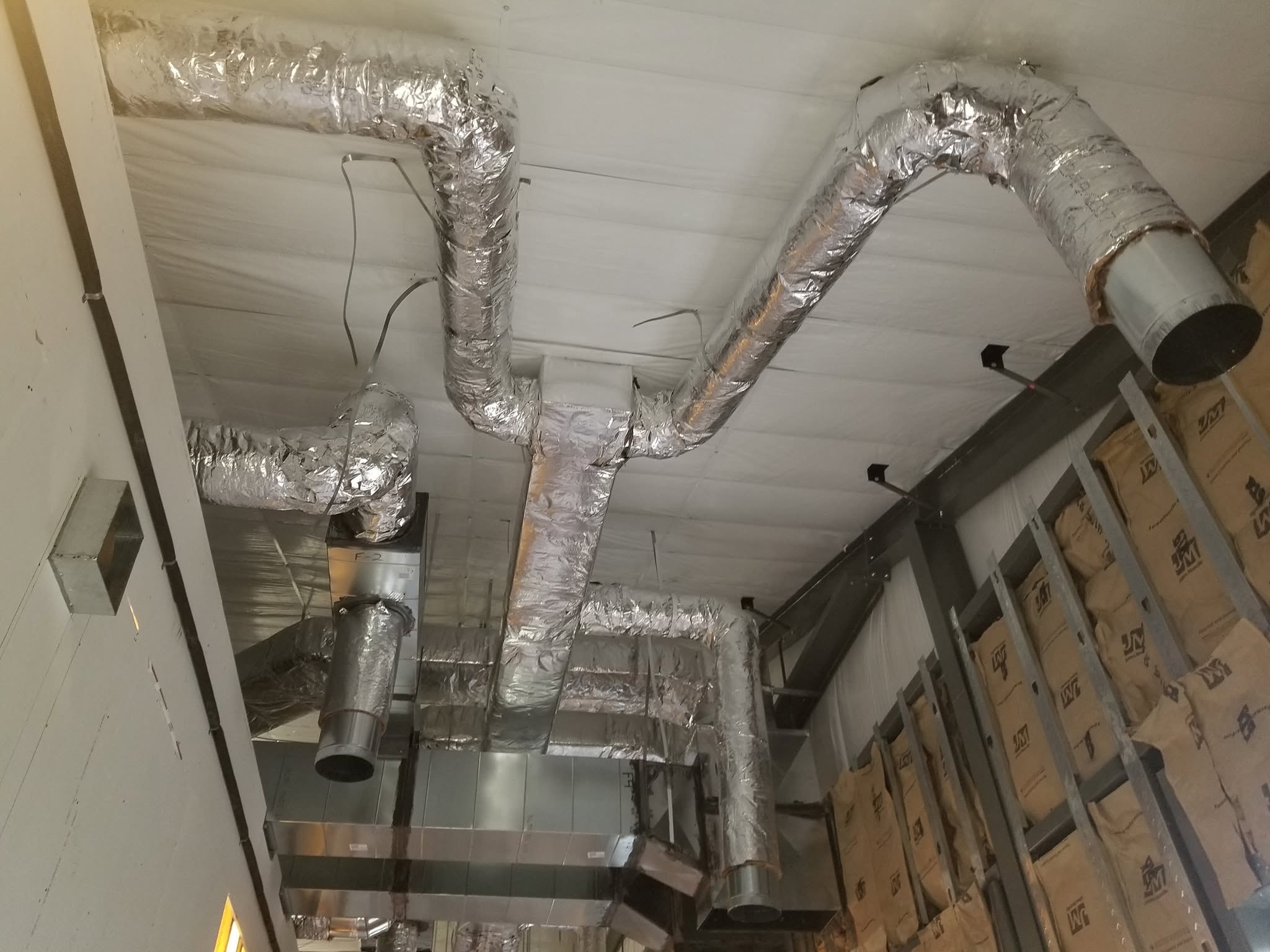
Run a whole-house fan when the air outside is cooler than the air inside, it’s that simple. In Wildomar, that mostly means the hours after sunset, through the night, and again in the early morning. Midday use actually works against you, because the fan just pulls hot outside air straight through the living space.
We work across this region as a skilled HVAC service, covering heating, air conditioning, ventilation, and heat pump systems, with over two decades of field experience behind the crew.
Ventilation design and maintenance sit inside that scope, and attic airflow is honestly where these installations succeed or fail. So before you flip the switch, put a thermometer outside and compare it against your indoor reading.
The Rule That Decides When the Fan Earns Its Keep
A whole house fan does not actually cool the air. It just moves it, that’s kind of the whole trick. Air gets pulled in through open windows and pushed out through the attic vents, and honestly, that’s the whole mechanism. It only works while the air coming in is cooler than the air going out, and once that flips, the same fan starts heating your house instead.
So where do our services come in? We help homeowners figure out exactly when that flip happens for their specific house, because guessing wrong just wastes energy and money.
A useful working number is a gap of around ten degrees between outdoor and indoor temperature. Smaller gaps still move stale air around and can feel pretty good, just don’t expect much beyond that.
The cooling effect drops off fast below that ten-degree mark, and this is the part people miss. This region gets a big daily swing between afternoon highs and overnight lows, which is exactly the condition these fans were built for. Inland homes especially get this swing for most of the summer, so you have plenty of room to work with if you know what you’re doing.
Evening and Overnight, the Window That Works Locally
The practical start point isn’t really a clock time, it’s a reading. Outdoor temperature usually drops below indoor temperature sometime in the early evening on a typical summer day, though it happens later than most people expect.
A house that soaked up heat all afternoon stays warm well past sunset. Start too early, and you just waste the run, but wait for that crossover and run the fan hard, and it’ll flush out the day’s heat in minutes.
Overnight is where the real work happens, and the reason is structural. Framing, drywall, and slab soak up heat during a stretch of hot days and just hold onto it. That’s why a home can still feel warm at 10 pm even with the air conditioning running.
A fan run through the night pulls that stored heat right out of the building itself, so the house starts the next day cooler and the cooling system has less to overcome. That lighter load is also part of what keeps the condenser short cycling from creeping in during the hottest stretch of summer.
Early Morning Runs and Why They Pay Off
A short morning run before the outside air warms back up is honestly the most underused part of all this. Ten to twenty minutes of high flow right at the daily low gives the house a cool starting point, and that carries into the afternoon more than you’d think. Then close the windows, shut down the fan, and let the building hold onto what it gained.
Timing the shutdown matters just as much as timing the start. Once outdoor air climbs past the indoor reading, leaving the windows open undoes the whole night’s work.
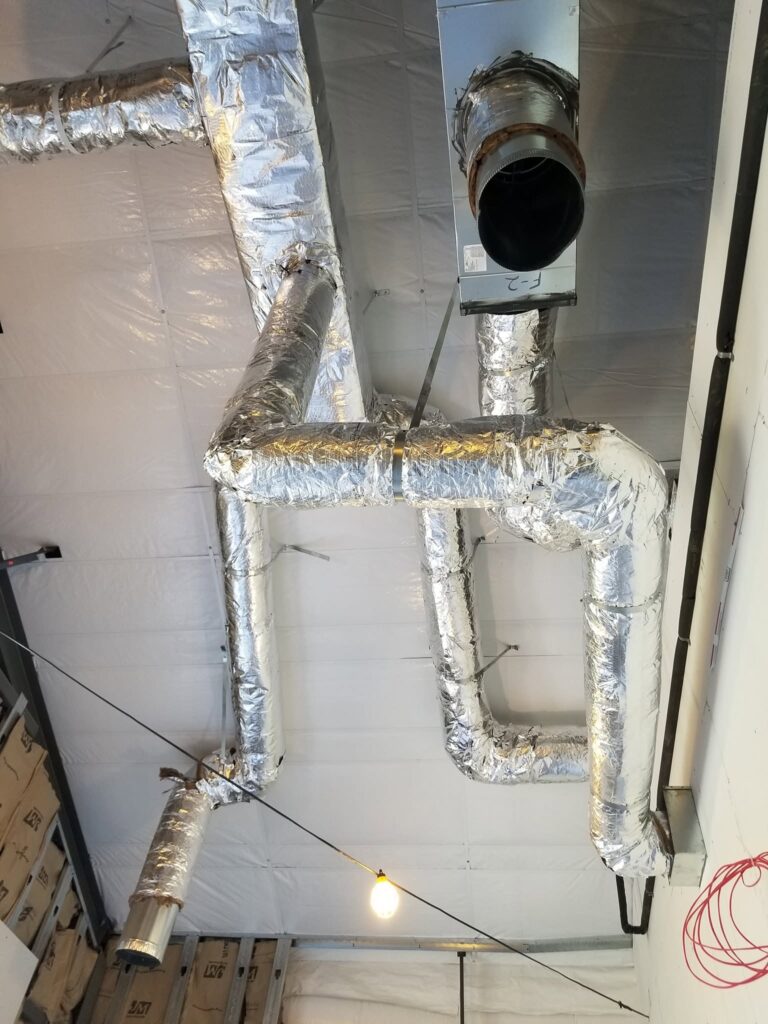
It’s better to set a habit around this rather than a fixed schedule, because the crossover point moves around week to week. A few simple checks keep the routine reliable:
- Compare two readings rather than guessing, using an outdoor thermometer and the thermostat display.
- Open windows before starting the fan, spread across the rooms you want cooled.
- Close interior doors you want bypassed, since air follows the easiest path.
- Shut everything down once the outdoor temperature reaches the indoor reading.
- Seal the fan opening in winter, because an uncovered unit is a hole in your ceiling insulation.
Noticed your whole house fan struggling to pull its weight, or just not sure if your attic can keep up? Give us a call at (951) 719-1175, and we’ll take a look before it turns into a bigger comfort problem.
When to Leave the Fan Off
Air quality is honestly the clearest reason to skip a run. During wildfire smoke events or high pollen mornings, the fan just pulls outdoor air straight in with zero filtration. Households dealing with asthma or allergy sensitivity do a lot better with closed windows on those days, and a filtered air conditioning cycle is the safer choice there.
The other case is a genuine heat wave, when overnight lows stay high and the crossover just never arrives.
These fans reduce cooling runtime across a normal summer, and less runtime is one of the few things a homeowner actually controls that affects the expected lifespan of an AC condenser. They don’t replace cooling equipment during extreme heat, though, and treating them like a replacement disappoints on both counts.
If your fan isn’t dropping the indoor temperature the way it should, the attic is the place to look before the fan itself. More vent area almost always solves it faster than a bigger fan does. Ask for an airflow assessment rather than jumping straight to a bigger unit.
Attic Venting, the Part Most Homes Get Wrong
A whole-house fan is honestly only as good as the path out of the attic. Air pushed into an attic that can’t exhaust it fast enough just builds pressure, and the fan stalls against that resistance. Performance then drops well below what the unit is actually rated to deliver, and the homeowner ends up blaming the fan for something it’s not really doing wrong.
The Department of Energy puts the guidance at one square foot of net free vent area for every 750 cubic feet per minute of fan capacity. For most homes, that means adding a vent area, not just assuming the existing soffits and ridge are enough. Measuring it belongs alongside the rest of our HVAC work, not treated like some separate trade.
Restricted attic ventilation causes problems well beyond just a weak fan. Heat builds up in the attic and raises the cooling load across the whole house, and it can even push a cooling system into behavior that looks mechanical from the inside. That’s one reason a condenser that keeps turning on and off sometimes traces back to airflow rather than the unit.
Talk to Us About Ventilation and Airflow in Wildomar
Getting real value from a whole-house fan in Wildomar, California, really depends on two things working together. Running it during the right hours and having enough attic vent area to let it breathe. The habit costs nothing, it’s just a matter of paying attention. The venting, though, usually needs measuring first.
Our team covers ventilation, heating, cooling, and heat pump work across Murrieta, Temecula, Menifee, and Wildomar, and we serve the wider Southern California region too. Ask for a ventilation and airflow assessment, and we’ll look at what your attic can actually move. Recommendations come after that measurement, not before it.
Have questions about timing it right, or want someone to check your attic airflow first? Contact us, and we’ll help you figure out the next step. You can also reach us at (951) 719-1175 or admin@reesemechanical.com. We’re here Monday through Friday, 7 a.m. to 5 p.m.
Related Topics: