Dependable Air Conditioning Repair for Homes and Businesses
Reese Mechanical Inc. provides AC repair for homes and commercial buildings across Murrieta and southwest Riverside County. We find the part that failed and explain the repair in plain terms, so you know what you are paying for.

Signs Your Air Conditioner Needs Repair
Many air conditioners show warning signs before they quit, often during the first long stretch of summer heat. A call at the first symptom gives the repair a better chance of staying small.
Cooling and Airflow Symptoms
- Warm air from the vents. The blower runs, but the air never cools. A stalled condenser, a failed capacitor, or a low refrigerant charge can cause this.
- Weak airflow or rooms that never cool. A clogged filter, a dirty evaporator coil, a failing blower motor, or leaking ductwork starves the far rooms first.
- Ice on the copper lines or indoor coil. Frost usually means the airflow or the refrigerant charge is off. Switch the system off and let it thaw before the compressor takes damage.
- A thermostat that never reaches the set point. If the system runs all afternoon and the house stays warm, the equipment may have lost cooling capacity, and your power bill will climb.
Sound, Water, and Electrical Symptoms
- Outdoor unit humming without spinning. A condenser fan that hums but will not turn usually has a weak run capacitor or a seized motor. Running it this way overheats the compressor.
- Grinding, squealing, or banging. Worn fan motor bearings, a loose fan blade or a struggling compressor can make these sounds. The damage tends to spread the longer the unit runs.
- Water around the air handler. A clogged condensate drain line spills into the attic, garage, or closet. In an attic, it often shows up first as a ceiling stain.
- Short cycling or a blank thermostat. Loose wiring, a tripped float switch or a failed thermostat can stop a system every few minutes or leave the screen dark.
- A breaker that trips when the AC starts. Repeated trips point to a shorted part or a compressor pulling too much current.
- A burning or electrical smell. Overheated wiring and failing motors give off this odor. Shut the system off at the thermostat and call for service.
Not every symptom means a major repair. Two calls described in our Google reviews came down to a failed thermostat that kept an AC from turning on and a problem solved by replacing one wire. That second customer wrote that the visit saved them a lot of money. Small fixes like these are part of everyday work for a Murrieta HVAC contractor.
Air Conditioning Systems We Repair
Each system type fails in its own way, so a diagnosis starts with the equipment outside and inside the building. We repair these residential and commercial systems.
- Central split systems. A condenser outside pairs with an evaporator coil and blower in the attic, garage, or a hall closet. It is the standard setup in many single-family homes.
- Heat pumps in cooling mode. In cooling mode, a heat pump works like a central AC. It also has a reversing valve and a defrost control, and either one can fail and interrupt cooling.
- Packaged and rooftop units. One cabinet holds the compressor, coils, and blower, usually on the roof or beside the building. Many offices and retail spaces use them.
AC repair is one of the HVAC services Reese Mechanical Inc. provides, alongside heating repair, heat pump repair, and ventilation work. See our full range of HVAC services for installation and maintenance.
The AC Parts That Wear Out First in Hot Weather
Long summer run times wear some parts much faster than others. These components account for many common AC repairs in hot inland climates like Murrieta’s.
| Component | What fails | What you notice |
|---|---|---|
| Run capacitor | Loses capacity from heat and age | Fan or compressor hums but will not start |
| Contactor | Contacts pit, stick, or burn | Outdoor unit will not start or will not shut off |
| Condenser fan motor | Bearings or windings fail | Fan slow or stopped, unit overheats |
| Blower motor | Motor or control module fails | Weak or no airflow from the vents |
| Evaporator coil | Dirt buildup or refrigerant leaks | Weak cooling, ice on the coil |
| Metering device (TXV or piston) | Sticks, clogs, or restricts flow | Frosted lines, poor cooling, high bills |
| Condensate drain line | Algae and debris clog it | Water at the air handler, system shuts off |
| Thermostat and control wiring | Failed controls, damaged wires | Blank screen, system will not respond |
| Compressor | Electrical or mechanical failure | Warm air, hard start, tripped breaker |
How Heat and Dust Shorten Component Life
Dust and pollen coat the condenser coil and force the system to run at higher pressure, which heats the compressor and the capacitor. Afternoon sun on the outdoor cabinet adds more heat. That is one reason capacitor and contactor failures tend to show up during the hottest months.
Why Refrigerant Type Changes the Repair
Systems installed before 2010 often run on R-22, which the United States no longer allows manufacturers to produce or import. R-22 has become expensive and harder to find, so the math on an R-22 system often tilts toward replacement. Most systems from the last 15 years use R-410A, and new residential equipment now uses lower-impact refrigerants such as R-454B and R-32. Federal rules require EPA Section 608 certification for anyone who handles refrigerant.
How an AC Repair Visit Should Work
A sound repair visit follows a fixed order, and each step rules something out before the next one starts. Swapping parts on a hunch can turn an inexpensive failure into a much larger bill.
Step 1: Thermostat and Controls
The technician checks the settings, the batteries, and the low-voltage call for cooling. If that signal never reaches the equipment, the fault sits in the thermostat or its wiring, not the AC.
Step 2: Electrical Testing at the Condenser
The technician confirms power at the disconnect, tests the capacitor against its rated microfarads, and inspects the contactor. An amp reading on the compressor and fan motor shows whether either one draws more current than its rating allows.
Step 3: Airflow and Static Pressure
A clogged filter, a dirty evaporator coil, or a weak blower restricts air across the coil and can freeze it. A static pressure reading shows whether the filter, coil, or ductwork restricts airflow. Low airflow can look exactly like a refrigerant problem, so the technician rules it out before touching the refrigerant side.
Step 4: Refrigerant Charge and Leak Detection
Pressure readings at the service ports, paired with line temperatures, give the superheat and subcooling values that show whether the charge is right. A low charge points to a leak, which the technician can locate with an electronic leak detector, bubble solution, or a nitrogen pressure test.
Step 5: Drain, Safety Switches and Final Test
The technician clears the condensate drain, tests the float switch, and runs the system through a full cycle. A healthy split system typically cools supply air about 15 to 20 degrees below the return air, which helps confirm the repair worked.
Step 6: A Clear Explanation and Quote
You should understand the problem before you approve a repair. In one Google review, a customer notes that our technician provided the photos they asked for and a quote for the repair during the same visit.
Cooling weak or gone completely? Call our Murrieta office Monday through Friday from 7 a.m. to 5 p.m. and describe what the system is doing. Those details help the technician arrive ready for the likely fault.
What Affects the Cost of an AC Repair
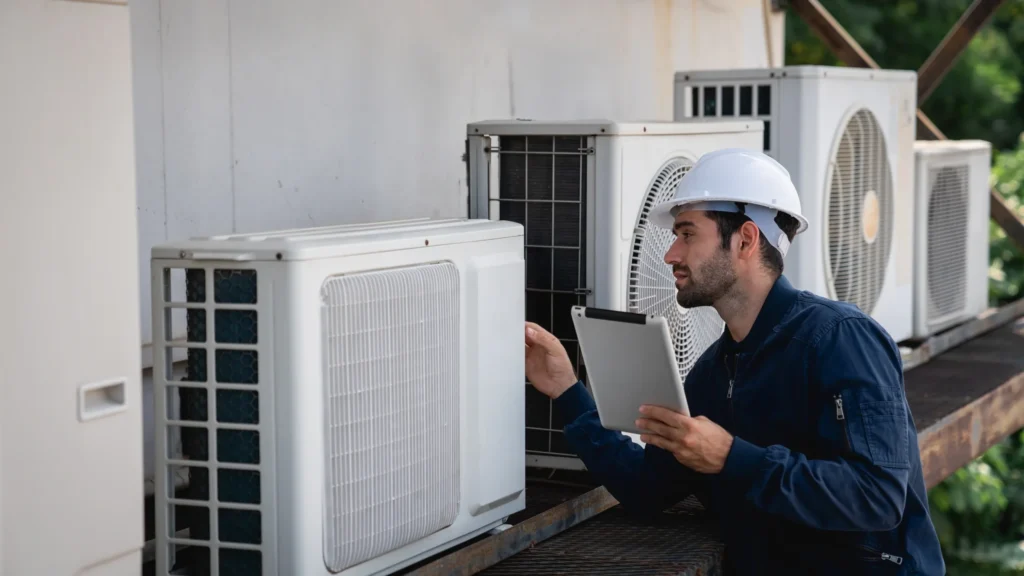
Two homes with the same symptom can face very different bills. These factors drive the price, and a good quote accounts for each one.
- The failed part. A capacitor, contactor, or drain line costs far less than a fan motor, coil, or compressor.
- Refrigerant type and amount. An R-22 recharge costs much more than R-410A, and a leak repair adds labor for finding and sealing it.
- Access to the equipment. An air handler in a hot attic or a rooftop unit takes more time than a garage or closet installation.
- Warranty coverage. Many manufacturers offer parts warranties on registered equipment, which can lower the cost of a major component.
Repair or Replace: Making the Call on an Older AC
Not every failure deserves a repair. Three facts usually settle it: the age of the system, the refrigerant it runs on, and the cost of the repair compared with a new unit.
When Repair Makes Sense
A capacitor, contactor, thermostat, or drain repair is usually worth doing on a system of almost any age. The same holds for a younger system with a major failure, especially when a manufacturer warranty still covers the part.
When Replacement Makes Sense
A failed compressor or a leaking evaporator coil on an older system, particularly one charged with R-22, often points the other way. Frequent repairs, rising power bills, and rooms that never cool all add weight. A newer system with a higher SEER2 rating uses less electricity to deliver the same cooling.
Plan for permits if you replace. In California, most AC replacements need a permit under the Title 24 energy code, and many also require HERS verification. Reese Mechanical installs new systems, so the technician can walk you through both options before you choose.
How to Prevent the Next AC Breakdown
Many of the failures on this page start small and grow under summer load. A few habits and a yearly tune-up help catch them early.
- Change the filter on schedule. Most filters need replacing every one to three months, depending on the type. A clean filter protects the blower and helps keep the evaporator coil from freezing.
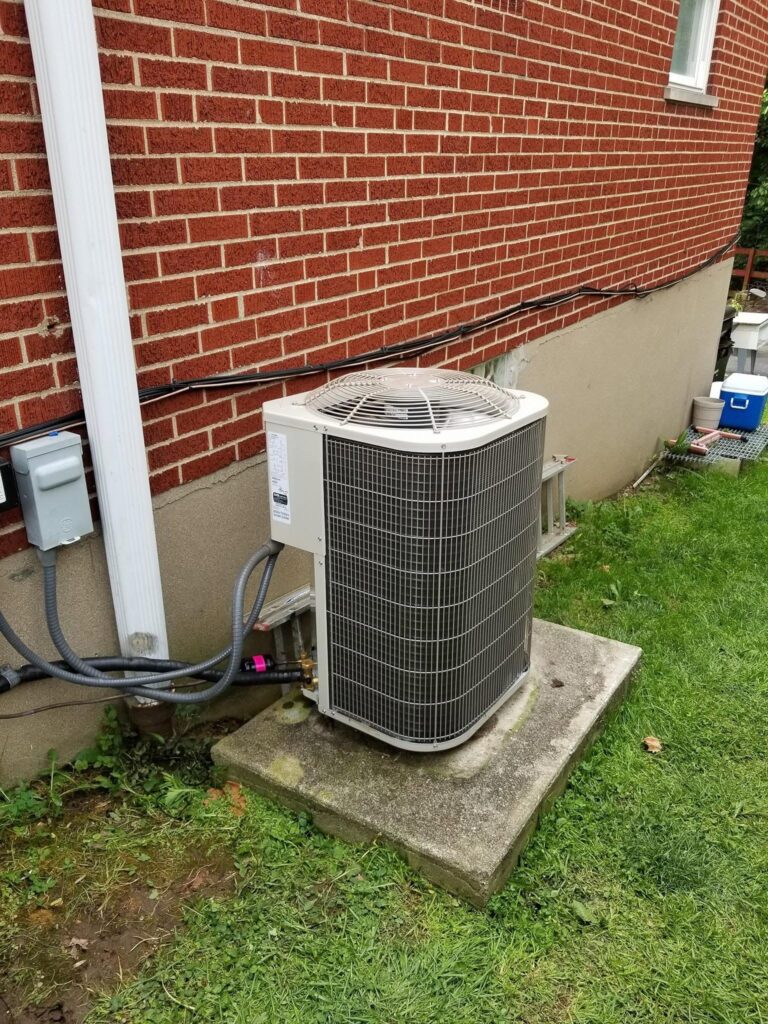
- Keep the area around the condenser clear. Follow the manufacturer’s clearance guidance. Shrubs, fences, and stored items choke airflow and push head pressure up.
- Rinse the outdoor coil gently. Turn the power off at the disconnect, then use a garden hose, not a pressure washer, to clear dust and pollen without bending the fins.
- Book a tune-up before summer. A technician can catch a weak capacitor, a dirty coil, or a slow drain before the first heat wave turns it into a breakdown.
AC Repair Backed by 25 Years in the Trade
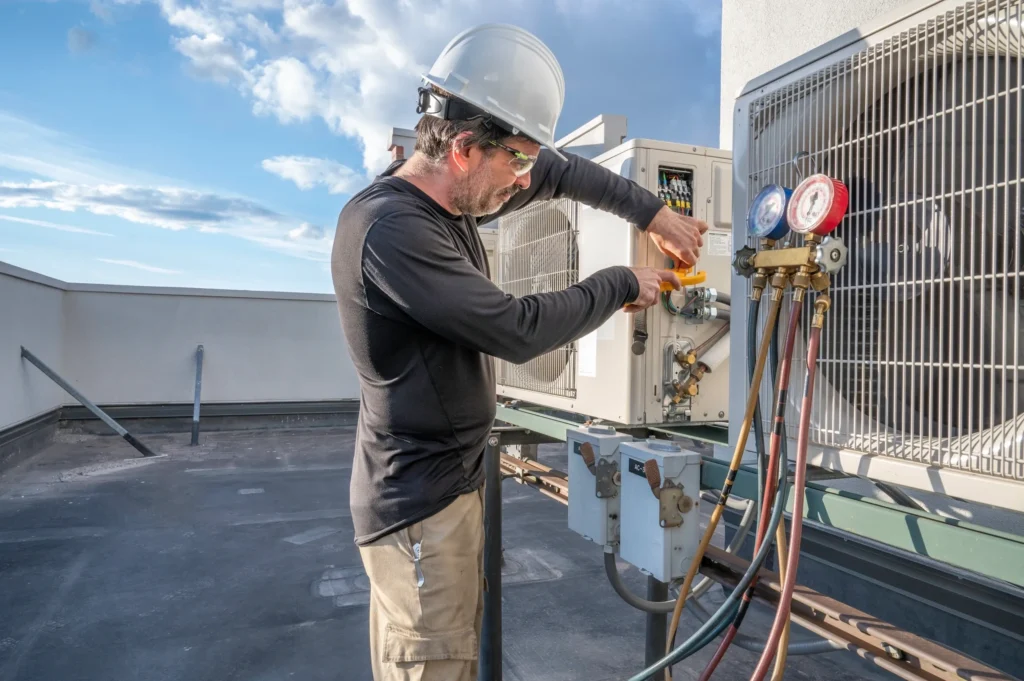
AC repair involves line-voltage wiring, pressurized refrigerant, and equipment inside your home, so the experience behind the work matters.
We have served Murrieta and the surrounding region since 2018, and our roots in the industry go back 25 years. Learn more about Reese Mechanical and the experience behind our team.
What Customers Say in Their Google Reviews
Customers describe a technician arriving within 30 minutes and restoring cooling within the hour, a same-day visit during an extreme heat wave, and an early arrival on a Saturday. Several reviewers describe the pricing as fair or affordable, and several say they would call again.
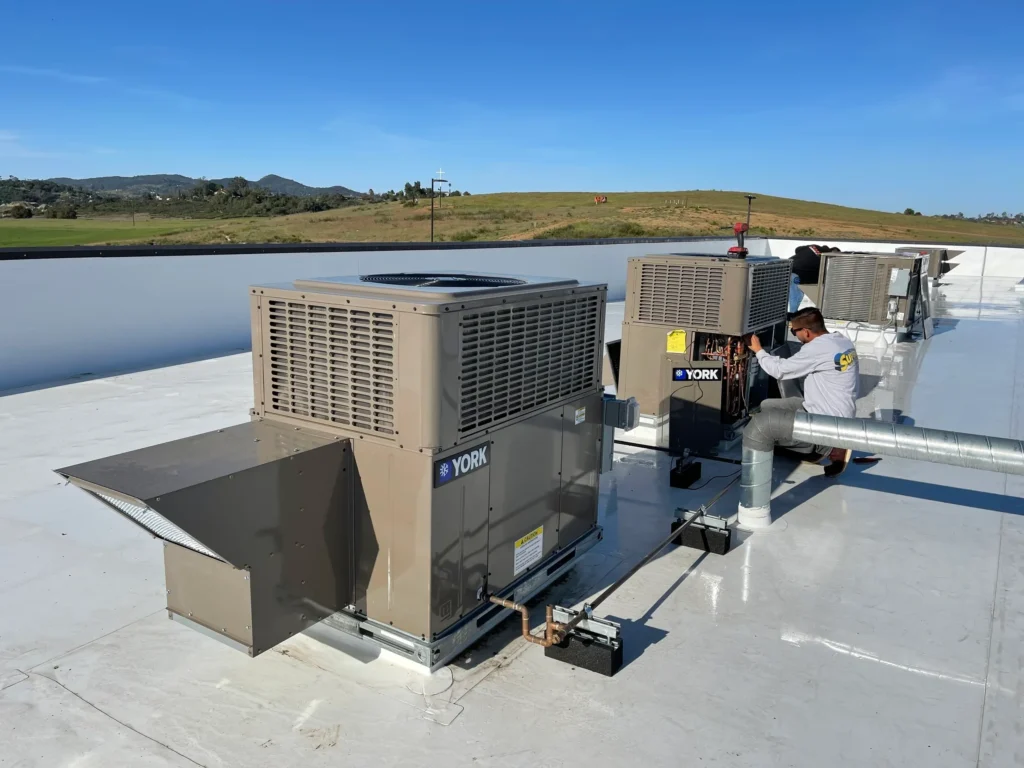
Commercial Air Conditioning Repair
Reese Mechanical works on commercial cooling equipment for offices, stores, and other businesses. Our project gallery includes rooftop and wall-mounted units from past projects.
Commercial units can include parts a home system lacks, such as economizers, belt-driven blowers, and multiple compressor stages. The same step-by-step diagnosis applies to this equipment.
AC Repair Across Murrieta, Temecula, Menifee and Wildomar
Our office on Jefferson Avenue in Murrieta is a short drive from homes and businesses in Temecula, Menifee, and Wildomar.
We repair residential and commercial air conditioners in all four cities. If your city is not listed here, check the full list of areas we serve.
AC Repair FAQs
These answers cover common questions before and during an AC repair call.
Why is my AC running but not cooling?
Common causes include a failed run capacitor or contactor, a clogged filter, a dirty evaporator coil and a low refrigerant charge from a leak. Check that the outdoor fan spins and the filter looks clean. If both look fine, a technician needs gauges and a meter to find the fault.
Should I keep resetting the breaker when my AC trips it?
Reset it once. If it trips again, leave the system off and call for service. A breaker that trips repeatedly protects the wiring from a shorted part or a compressor drawing too much current, and forcing a restart can turn a modest electrical repair into a compressor replacement.
Can I just add more refrigerant to my AC?
An air conditioner does not use up refrigerant. A low charge points to a leak, and common leak points include the evaporator coil, brazed joints, and service valves. Topping off the refrigerant without fixing the leak restores cooling for a short time. Then the system loses charge again, and the compressor runs under strain.
How long does an AC repair take?
Simple repairs such as a capacitor, contactor, thermostat, or drain line often take one visit. A fan motor, coil, or compressor takes longer, and some parts need ordering. The technician can give you a timeline once the diagnosis is complete.
What should I do while I wait for the technician?
If you see ice on the lines or coil, switch the thermostat to off and set the fan to on so the coil thaws. Replace a dirty filter. Leave the outdoor unit’s electrical panel closed, since the capacitor can hold a dangerous charge even with the power off.
What information should I have ready when I call?
Note what the system is doing, when the problem started, and whether the breaker has tripped. The brand and model number on the outdoor unit’s label and the system’s approximate age also help. Write down any error code on the thermostat or indoor unit.
Schedule Your AC Repair
Get your cooling back. Call Reese Mechanical Inc. or request a quote online. Tell us what the system is doing, and we will schedule a technician to diagnose the problem.
Reese Mechanical Inc.
Address: 26217 Jefferson Ave., Murrieta, CA
Phone: (951) 970-2344
Email: admin@reesemechanical.com
Hours: Monday to Friday, 7:00 a.m. to 5:00 p.m. Closed Saturday and Sunday.