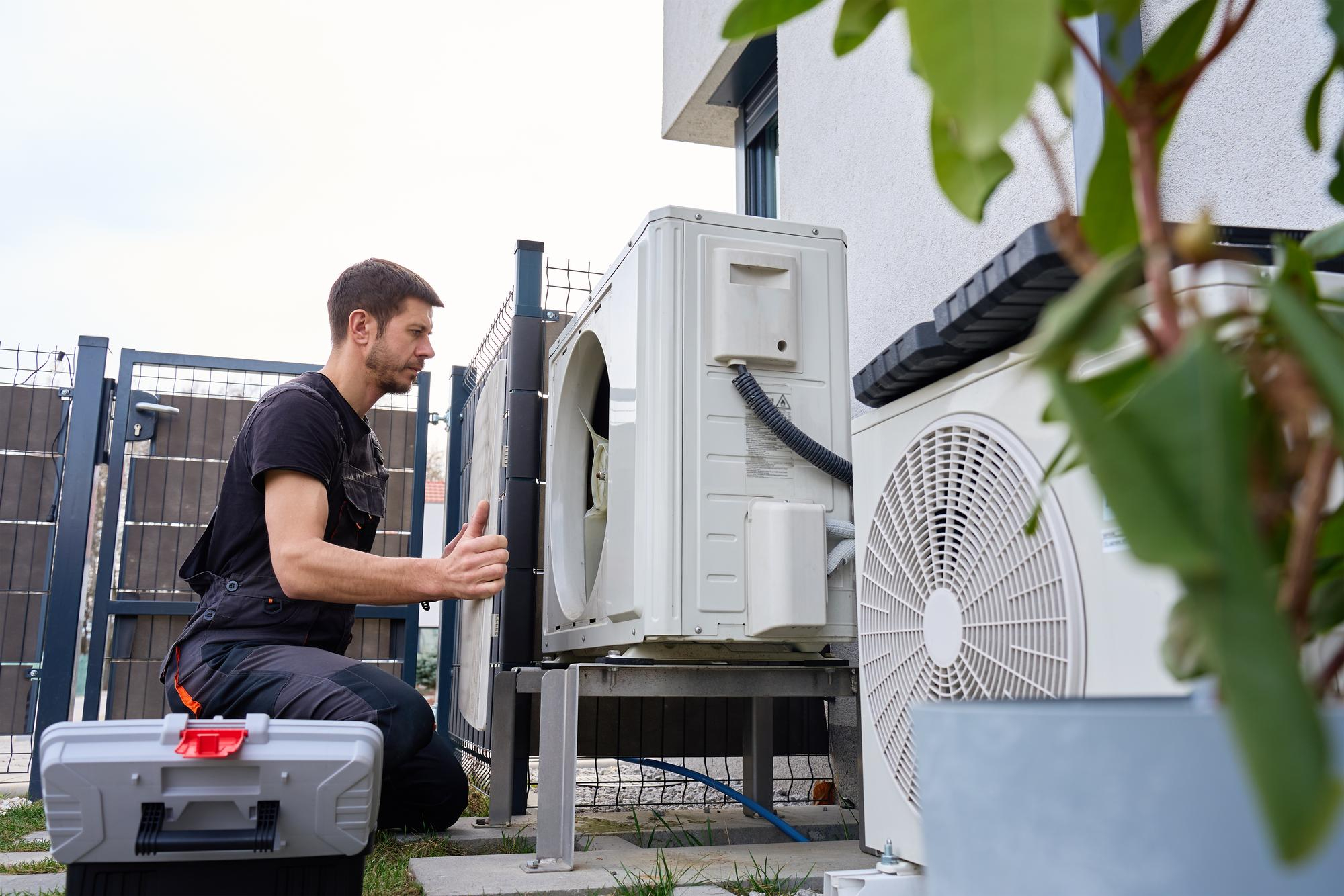
Most residential AC condensers last somewhere between 10 and 15 years, give or take. Here in inland Riverside County, though, the realistic number tends to land nearer the low end of that range.
A condenser in this area just runs more hours every year than one sitting in a mild coastal climate, and every extra hour of runtime wears on the compressor a little more. None of that happens overnight, but it adds up.
We cover that equipment at Reese Mechanical, and we’re honestly the kind of trusted HVAC service in Murrieta, CA, people call when they want a straight answer, not a sales pitch. Heating, air conditioning, ventilation, and heat pump work, we handle all of it, and there are over two decades in the trade behind the crew.
Once a unit reaches the back half of its life, we’ll tell you plainly whether it’s worth restoring or not. Go check the data plate on your outdoor cabinet for a manufacture date first, because that number frames pretty much everything that follows.
What Wears Out a Condenser Before Anything Else
The compressor is really what decides the lifespan of the whole unit, and everything else is kind of secondary to it, if we’re being honest. Almost every other part, the capacitor, the contactor, and the condenser fan motor, is a wear part with a reasonable replacement cost.
It’s exactly the kind of thing our services catch early, before it turns into a bigger repair. They fail, get swapped, and the system keeps running just fine.
A compressor’s different, though, since it sits inside the sealed refrigerant circuit and is rarely worth replacing on an aging unit. Heat and dirt drive a compressor toward failure more than age alone. The condenser coil dumps heat from the refrigerant into outdoor air, but it can only do that while air moves freely through the fins.
When those fins pack with dust, grass clippings, or cottonwood, head pressure climbs, and the compressor runs hotter than it was built to run. A weak fan motor causes the same problem a different way, and honestly, neither issue really announces itself. That’s sort of why a unit can quietly lose years of service while still cooling the house just fine.
Why Condensers Age Faster Across Inland Riverside County
Season length does most of the damage here, more than anything else really. National figures of 15 to 20 years assume a cooling season of three or four months, which describes much of the country, but not this part of California.
Homes around Murrieta often carry a cooling load from late spring clear into October, and plenty of them run it daily without a break. A unit logging twice the annual hours is going to reach the same wear point in half the calendar time.
Local conditions pile on top of that too. Afternoon temperatures push the system into high head pressure during the hours it runs longest, and dry inland air carries a steady dust load into the coil the whole time. Units set against a west-facing wall take direct afternoon sun on top of all that, which really doesn’t help matters.
None of this makes a condenser here fragile, to be clear, it just ages faster than the national averages suggest. It means the useful planning figure for a local home is closer to 10 to 13 years, not 15 to 20.
Funny enough, furnaces run on a similar clock in reverse, and furnace problems that signal replacement tend to show up just as quietly, usually right before the coldest night of the year. Keep that in the back of your mind if your system’s getting up there in age.
How to Find the Real Age of Your Condenser
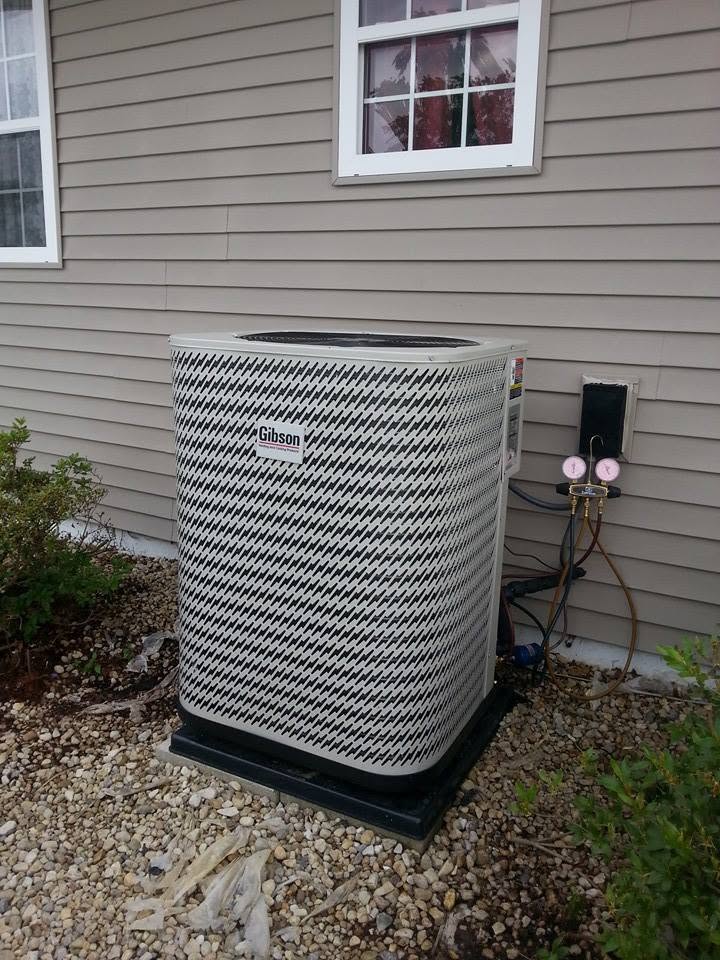
The data plate is just a metal or foil label on the side of the outdoor cabinet, usually tucked near the service disconnect. Some manufacturers print the manufacture date right on it, easy.
Many others bury it in the serial number instead, commonly as a week and year in the leading digits, which takes a bit of decoding. Snap a photo of the plate before you do anything else, honestly, because sun and weather make these labels harder to read every single year.
When the plate’s gone illegible, or someone’s painted over it (it happens more than you’d think), other records usually settle things. A home inspection report from the purchase often lists equipment age.
Building permit records might show when the system went in too, and failing both of those, a technician can read the model and serial against manufacturer data. Age really does matter here, because the same repair estimate points in pretty much opposite directions at seven years versus fourteen.
Not sure how old your unit really is, or just noticed it running a bit rough this week? Give us a call at (951) 719-1175, and we’ll take a look before it turns into a bigger problem.
Warning Signs a Condenser Is Nearing the End
Age alone doesn’t condemn a unit, not by itself anyway. A well-maintained condenser can blow past its expected range and keep working just fine, and plenty do exactly that. What really matters is age combined with behavior, and that behavior tends to show up in a few recognizable ways.
- Cooling that lags on hot afternoons. The system runs and runs without ever quite reaching setpoint once the outdoor temperature climbs, though it holds up fine on milder days.
- Condenser short-cycling on and off. The unit starts, runs a few minutes, stops, and repeats, over and over, which points toward an outdoor unit that needs a proper diagnosis.
- Summer bills climbing with no change in habits. Compare this July against the same month three or four years back and see what shows up.
- Repairs stacking across two seasons. One failure is just a repair. Three across two summers is a pattern.
- Refrigerant added more than once. Refrigerant isn’t consumed in normal operation, so a system needing a top-up has a leak somewhere.
Two or three of these together on a unit past ten years changes the conversation, you know, honestly. We stop treating each fault as an isolated event at that point, because by then it’s a pattern, not a one-off.
The question moves from what broke to what the next three summers are going to cost you. That’s worth asking before the unit fails on the hottest weekend of the year.
Repair or Replace, and How the Decision Gets Made
We frame this around three things really: the age of the unit, the part that failed, and the repair history behind it. A single failed component on a young system is a repair every time, pretty much without exception.
A compressor failure on a unit in its teens rarely is, though. Most cases sit somewhere between those two extremes, and the age bracket is usually what tips them one way or the other.
| Condenser age | What usually makes sense | Why |
| Under 8 years | Repair | Wear parts fail long before the compressor does |
| 8 to 12 years | Depends entirely on the part | A capacitor is a repair. A compressor almost never is |
| Past 12 years | Price a replacement alongside the repair | Efficiency loss and part availability both work against it |
| Any age, compressor confirmed failed | Replacement is usually the better spend | The compressor is the costliest single component on the cabinet |
Refrigerant type belongs in this conversation too. Systems built around R22 use a refrigerant that’s no longer produced, so any repair touching the sealed circuit gets harder and pricier to source each year that passes.
That doesn’t make a working R22 system an emergency, not at all. It does mean a major refrigerant repair on one is rarely worth the spend these days.
We walk through all of this as part of a full assessment, not just a quick guess. A unit past ten years showing two or more of these signs is worth assessing now, rather than in August when it’s a hundred and five out. Ask for the age, the measured condition, and a straight recommendation, in that order.
What Genuinely Extends a Condenser’s Life
Clearance and coil cleaning do more than anything else a homeowner can actually control. Keep roughly two feet of open space around the cabinet, and cut back anything growing into it, grass, weeds, whatever.
Rinse the coil from the inside out with a garden hose twice a season, with the power off at the disconnect, obviously. That single habit protects head pressure, and head pressure, in turn, protects the compressor.
Indoor airflow matters just as much, honestly, because a restricted return starves the coil and pushes the whole system out of its design range. Change filters on schedule rather than waiting until they look bad, maybe set a reminder on your phone for it.
A check before the heat really arrives catches weak capacitors and slow fan motors while they’re still cheap to fix. The same logic holds true on the heating side too, where small issues tend to show up months before a furnace actually quits on you.
Frequently Asked Questions
A few questions come up on nearly every condenser call around here. The answers below cover what homeowners usually ask once they know the age of their unit.
Matching matters more than most homeowners expect, honestly. The outdoor condenser and the indoor coil are designed to work as a pair. A new condenser paired with an aging coil often costs you efficiency, and it can shorten the life of the new unit too. When the indoor equipment is close in age, replacing both together is usually the sounder call.
Heat pump outdoor units generally land in a slightly shorter range, just by nature of how they’re used. They run through both heating and cooling seasons rather than summer alone, so more annual hours means more wear on the same parts. Regular service closes part of that gap. The difference in duty cycle stays real either way.
Some do, sure. Those units were sized correctly at installation, kept clear of debris, and cleaned regularly, and they were serviced before small problems could compound. Reaching that age here is possible rather than typical, though. A unit that old sits well behind current efficiency standards, even while it’s still technically cooling fine.
It reduces runtime, and less runtime does mean a bit less wear, yes. The effect is pretty modest next to coil cleanliness and correct airflow, though. Those two things change how hard the compressor works in every single cycle it runs. Treat your thermostat setting as an energy decision more than some kind of longevity strategy.
Contact Us
Got questions about your condenser, or just want to talk through your options? Contact us anytime using the details below.
- Address: 26217 Jefferson Ave., Murrieta, CA 92562
- Phone: (951) 719-1175
- Email: admin@reesemechanical.com
- Office Hours: Monday to Friday, 7:00 am to 5:00 pm (closed Saturday and Sunday)
We’re happy to answer questions or get an assessment on the calendar whenever it works for you.
Related Topics: